


The thing about cricket betting is that it rewards patience and knowledge in ways that faster sports simply cannot match. A Test match unfolds over five days, giving you countless opportunities to read the game, spot value, and make informed decisions. A T20 blast finishes in three hours but packs enough momentum shifts to keep your heart racing and your analytical mind spinning. Whether you prefer the tactical chess match of longer formats or the explosive unpredictability of twenty-over cricket, there is a betting market designed specifically for your interests.
This guide exists because cricket betting deserves better than the shallow overviews that dominate search results. We are going to walk through everything you need to know, from understanding the fundamental differences between cricket formats to mastering live betting strategies that separate profitable punters from the rest. You will learn how odds actually work, why weather forecasts matter more than you think, and how to manage your betting bankroll without losing sleep over every wager.
What makes cricket particularly fascinating for bettors is the sheer volume of variables at play. The pitch deteriorates over time, favouring different bowling styles as a match progresses. Humidity affects how much the ball swings through the air. The toss can be worth its weight in gold at certain venues. These are not merely trivia points but genuine edges waiting to be exploited by those willing to do their homework.
By the time you finish reading, you will understand why serious cricket bettors approach each match like a research project rather than a coin flip. The markets are there, the opportunities are real, and the knowledge you are about to gain could transform how you think about betting on this beautiful game.
Understanding Cricket Formats: The Foundation of Smart Betting
Before placing a single bet on cricket, you need to understand that this sport operates across fundamentally different formats, each with its own rhythm, strategy, and betting implications. Treating a Test match and a T20 game identically would be like applying the same approach to a marathon and a hundred-metre sprint. Both involve running, but the similarities end there.
Test Cricket: The Marathon of Patience
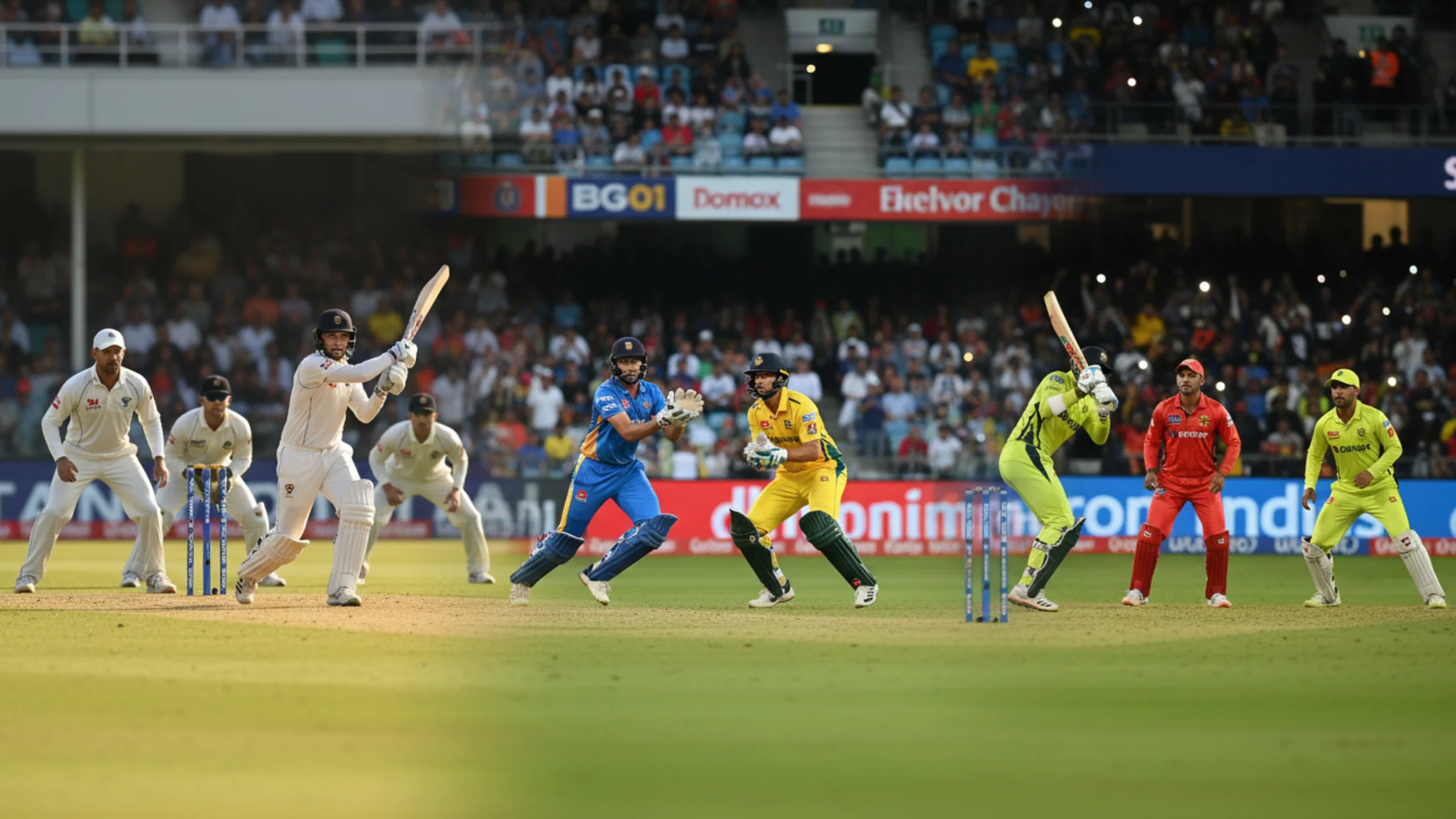
Test cricket represents the original and most demanding format of the game. Matches can last up to five days, with each team batting twice, and the possibility of a draw adds a third outcome that simply does not exist in shorter formats. For bettors, this creates both opportunities and complications that require careful consideration.
The beauty of Test cricket from a betting perspective lies in its evolving nature. A pitch that offers pace and bounce on day one might crumble into a spinning minefield by day four. Teams that bat first on fresh surfaces often hold significant advantages, making the toss result genuinely consequential. Experienced bettors watch pitch conditions obsessively, knowing that a green-tinged surface in Leeds behaves entirely differently from the dust bowls of Chennai.
Session betting has become increasingly popular in Test cricket, allowing you to wager on shorter segments rather than committing to the full match outcome. You might bet on how many runs a team scores before lunch or whether a wicket falls in the first hour of play. These micro-markets reward those who understand batting conditions at specific times of day and how different bowling attacks perform in morning moisture versus afternoon heat.
The draw represents perhaps the most misunderstood outcome in cricket betting. Many casual punters dismiss it entirely, but draws happen frequently enough to offer genuine value. Rain-affected matches, flat pitches, and defensive batting can all produce draws, and the odds often underestimate this possibility. Shrewd bettors keep weather forecasts open in one tab while studying pitch reports in another.
One Day Internationals: The Balanced Battle
One Day Internationals occupy the middle ground between Test cricket and T20, offering fifty overs per side and matches that conclude within a single day. The format has been around since the 1970s and remains hugely popular, particularly during World Cup years when national pride reaches fever pitch.
ODI cricket divides naturally into distinct phases that smart bettors learn to exploit. The powerplay overs at the start restrict fielding placements, often producing aggressive batting and high scoring rates. The middle overs typically see a consolidation period where teams build partnerships and rotate strike. Death overs at the end become explosive affairs where batsmen swing hard and bowlers search desperately for yorkers and slower balls.
Understanding these phases matters enormously for live betting. If a team loses early wickets during the powerplay, their final total projection drops significantly. Conversely, a team that navigates the new ball safely often accelerates dramatically in the closing overs. The best ODI bettors develop an intuitive sense for how innings develop and where value emerges as the game unfolds.
Chasing teams historically hold advantages in ODI cricket because they know exactly what target they must reach. This affects pre-match odds and creates interesting opportunities when teams batting first post competitive but not dominant totals. The pressure of chasing versus the uncertainty of setting targets produces fascinating psychological dynamics that manifest in betting markets.
T20 Cricket: The Sprint of Excitement
Twenty20 cricket exploded onto the scene in the early 2000s and has since become the most commercially successful format worldwide. The Indian Premier League alone generates billions in revenue and attracts the finest cricketers on the planet. For bettors, T20 offers non-stop action but also heightened unpredictability that demands respect.
The compressed nature of T20 means that individual performances carry outsized influence. A single devastating over from a fast bowler or a blistering fifty from an in-form batsman can swing matches dramatically. This creates variance that frustrates some bettors but delights others who specialise in reading form and identifying value in player-specific markets.
T20 cricket has become the most popular format for live betting precisely because momentum shifts occur so frequently. A team cruising at 80 for 1 after ten overs can collapse to 120 all out with remarkable speed. Equally, teams that appear buried at 60 for 4 sometimes explode through the death overs to post competitive totals. These swings create constant opportunities for alert bettors to find mispriced odds.
Franchise leagues like the IPL, Big Bash, Caribbean Premier League, and Pakistan Super League have created year-round T20 action. Each league has its own characteristics, from the spin-friendly pitches of India to the pace-heavy surfaces of Australia. Successful T20 bettors often specialise in specific leagues rather than trying to master them all simultaneously.
Cricket Betting Markets Explained
Cricket offers an exceptional variety of betting markets, far beyond simply picking which team wins. Understanding these markets and knowing when each offers genuine value separates casual punters from those who approach cricket betting seriously. Let us examine the most important options available at major sportsbooks.
Match Winner: The Classic Choice
Match winner betting remains the most straightforward and popular cricket market. You simply pick which team will win the match, with odds reflecting each side's perceived chances. In limited-overs cricket, this operates as a two-way market since ties are exceptionally rare. Test cricket adds the draw as a third option, fundamentally changing how you should approach these bets.
The beauty of match winner markets lies in their simplicity, but simplicity does not mean easy profits. Bookmakers price these markets tightly, meaning the favourite often offers poor value relative to their actual winning probability. The real skill lies in identifying situations where odds underestimate underdogs or where heavily-backed favourites face hidden vulnerabilities.
Home advantage matters significantly in cricket, perhaps more than in most sports. Teams that dominate at home often struggle abroad, particularly when touring countries with different pitch conditions. India's spinners feast on turning tracks at home but sometimes struggle on green English pitches. Australian pace attacks terrorize opponents at the WACA but find less assistance on subcontinental surfaces. These patterns create opportunities when bookmakers fail to adjust sufficiently for venue effects.
Top Batsman and Top Bowler Markets
Individual performance markets let you bet on which player will score the most runs or take the most wickets in a match or innings. These markets reward deep knowledge of player form, matchups, and conditions rather than simply picking the most famous names.
Top batsman betting requires understanding more than just batting averages. You need to consider current form, how specific players perform against certain bowling types, and their position in the batting order. An opener has more opportunities to score runs than a number seven batsman, yet odds do not always reflect this appropriately.
Top bowler markets demand similar attention to detail. A spinner might dominate on a turning pitch but become expensive fodder on flat surfaces. Fast bowlers often perform better with the new ball, meaning opening bowlers typically take more wickets than first-change options. Weather conditions like humidity affect swing bowling significantly.
Dead heat rules apply when players tie for top scorer or wicket-taker. Your potential winnings get divided accordingly, which matters when calculating expected value.
Over and Under Markets
Totals betting allows you to wager on whether specific statistical outcomes exceed or fall short of lines set by bookmakers. The most common options include total match runs, team innings totals, individual player runs, and boundaries scored. These markets reward those who understand scoring patterns and conditions intimately.
Team total runs markets require analyzing batting depth, pitch conditions, and bowling quality simultaneously. A pitch report suggesting slow conditions usually means lower totals, while flat batting paradises push expectations higher. The first innings often sets the tone for what totals are achievable, which is why live total betting becomes so interesting as matches progress.
Boundary markets focus specifically on fours and sixes scored during matches. T20 cricket naturally produces more boundaries per over than Test cricket, but venue dimensions matter enormously. Smaller grounds encourage boundary hitting while larger venues favour running between wickets. Outfield conditions also affect boundary rates, with slow outfields reducing fours even when batsmen time the ball well.
Prop Bets and Specials
Proposition bets cover outcomes beyond match results and individual statistics. These include method of first wicket, toss winner, whether a century will be scored, most sixes in the match, and countless other creative options. Prop markets often offer better value than mainstream options because bookmakers focus less attention on pricing them accurately.
Method of first dismissal betting asks how the first wicket will fall. Options typically include caught, bowled, LBW, run out, and other methods. Caught remains statistically most likely in most conditions, but bouncy pitches increase bowled dismissals while spin-friendly surfaces produce more LBWs. Understanding these nuances helps identify when prop odds offer genuine value.
Toss winner betting is essentially a coin flip with marginally worse than even odds due to bookmaker margins. However, combining toss bets with match outcome predictions can create interesting strategic opportunities, particularly at venues where toss advantage proves historically significant.
How Cricket Betting Odds Work
Understanding odds is fundamental to successful betting, yet many punters place wagers without truly grasping what the numbers mean. Cricket betting uses three main odds formats, each popular in different regions. Mastering all three ensures you can identify value regardless of which sportsbook you use.

Decimal Odds: The Global Standard
Decimal odds dominate in Australia, Europe, and India, making them the most commonly encountered format for cricket betting. They represent the total return you receive per unit staked, including your original stake. Decimal odds of 2.50 mean a £10 bet returns £25 total if successful, comprising £15 profit plus your £10 stake.
The calculation simplicity makes decimal odds ideal for comparing value across different bets. Higher numbers indicate bigger potential returns but also reflect lower implied probability of winning. Converting decimal odds to implied probability involves dividing 100 by the decimal figure. Odds of 2.50 imply a 40% chance of winning, while odds of 1.50 suggest approximately 67% probability.
Bookmaker margins become visible when you calculate implied probabilities for all possible outcomes. In a fair market, probabilities should sum to 100%, but bookmakers build in overrounds that push totals above 100%. A typical cricket match market might show combined implied probabilities of 105-108%, meaning the bookmaker extracts that excess as their edge. Finding bookmakers with lower overrounds improves your long-term expected returns.
Interactive tool
Value Bet Checker and Market Overround
Test whether a bet really offers value using the exact edge formula, then calculate the exact overround on a 2-way or 3-way cricket market.
Expected value on a £100 stake
-
-
Edge in percentage points
-
Implied odds
-
Is this value?
-
Both examples from this guide's FAQ, side by side
The contradiction in this guide's own FAQ: it states a 70% true probability against a 60% implied probability "offers value", but a 90% true probability against an 85% implied probability "does not". Using the site's own definition — value exists whenever true probability exceeds implied probability — both cases qualify. The 90/85 case has a smaller edge (5pp versus 10pp) but still carries a genuinely positive expected value of about £5.88 per £100 staked, not zero.
Market overround
-
-
Combined implied probability
-
Fair odds (favourite)
-
Bookmaker edge on £100
-
Market type
This guide's stated typical range: 105-108%
Why the market type matters: limited-overs cricket uses a 2-way market since ties are exceptionally rare, while Test cricket uses a 3-way market that includes the draw. The overround calculation works the same way in both cases — sum the implied probabilities and subtract 100% — but a 3-way market naturally carries one more outcome for the bookmaker to price, which is often reflected in a slightly higher overround.
Fractional Odds: The British Tradition
Fractional odds remain popular in the UK and Ireland, particularly among traditional punters. They express potential profit relative to stake rather than total return. Odds of 5/2 mean you win £5 for every £2 staked, while 1/4 odds return just £1 for every £4 risked.
Reading fractional odds correctly takes some practice. When the first number exceeds the second, you are backing an underdog who pays more than your stake. When the second number is larger, you are betting on a favourite who returns less than your stake. Even money appears as 1/1 or EVS, indicating profit equals stake on winning bets.
Converting between fractional and decimal formats helps when comparing odds across bookmakers using different systems. Add 1 to the fractional calculation to get decimal equivalents. Fractional odds of 3/1 become decimal 4.00 because three divided by one equals three, plus one equals four. This conversion becomes automatic with practice but remains essential for accurate value assessment.
American Odds: Plus and Minus Explained
American odds use positive and negative numbers to distinguish favourites from underdogs. Positive odds show potential profit on a $100 stake, while negative odds indicate how much you must risk to win $100. Odds of +200 mean a $100 bet returns $200 profit, while -150 odds require staking $150 to win $100.
The favourite always carries the minus sign because you must risk more than your potential profit. Underdogs carry plus signs because their higher odds reflect lower winning probability but greater reward. Converting American odds to implied probability differs depending on whether you face positive or negative numbers.
For positive American odds, divide 100 by the odds plus 100. So +200 implies 100 divided by 300, equalling 33.3% probability. For negative American odds, divide the absolute value by itself plus 100. So -150 implies 150 divided by 250, equalling 60% probability. These calculations seem complicated initially but become second nature with regular practice.
Finding Value in Cricket Betting Odds
Identifying value means finding odds that underestimate actual winning probability. If you believe a team has a 50% chance of winning but odds imply only 40% probability, you have found positive expected value. Betting on such situations consistently produces profits over time, even though individual bets frequently lose.
Value exists because bookmakers cannot perfectly price every market. They rely on algorithms, public betting patterns, and limited time to set odds across thousands of daily markets. Specialising in specific leagues or match types lets you develop knowledge that exceeds bookmaker expertise in narrow areas.
Odds comparison across multiple bookmakers is essential for capturing value. Different sportsbooks often disagree on probabilities, sometimes significantly. Using odds comparison websites ensures you always bet at the highest available price, which compounds into substantial differences over hundreds of wagers.
Live Cricket Betting: In-Play Strategies
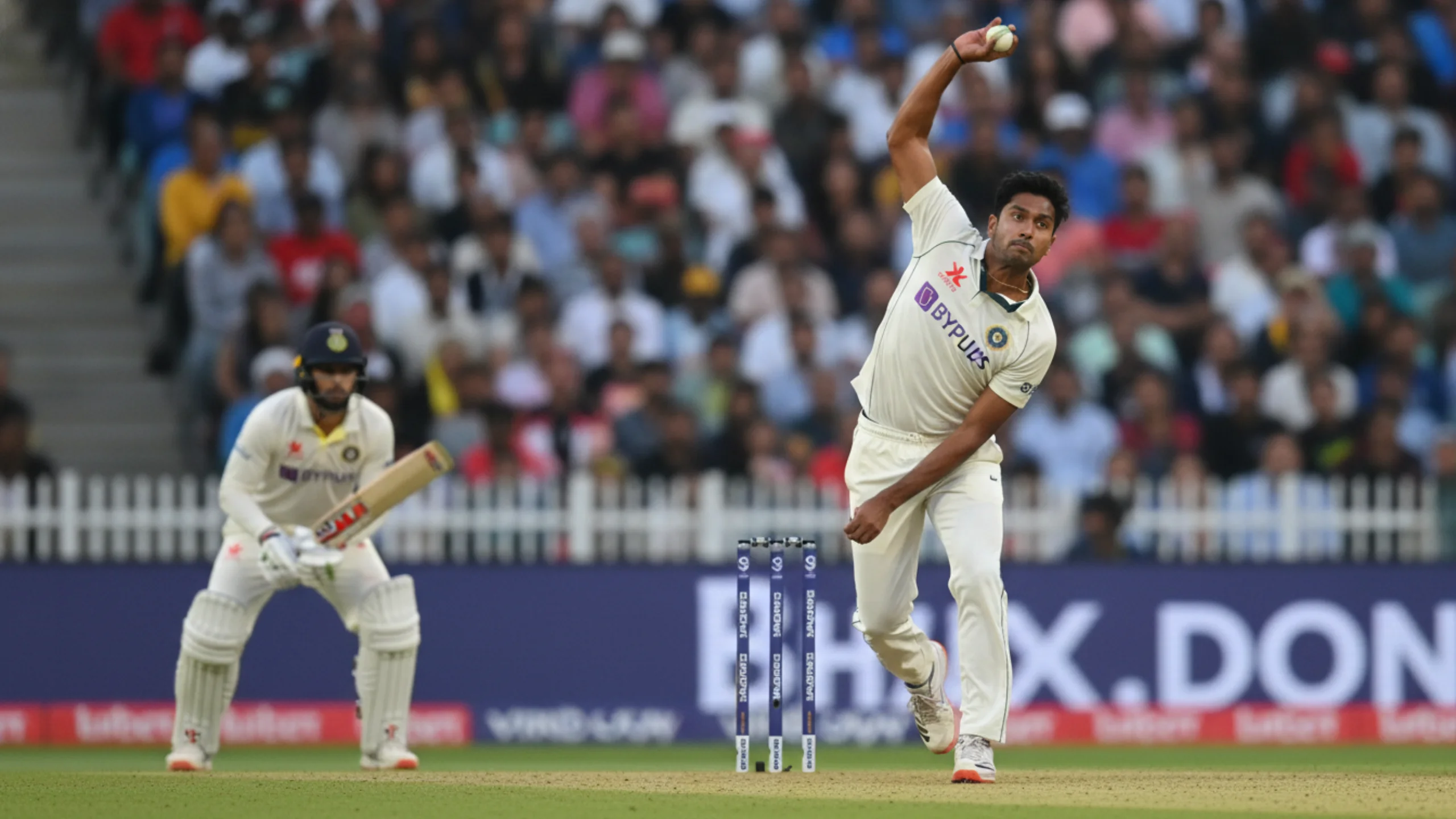
Live betting transforms cricket watching from passive entertainment into an interactive analytical exercise. The ability to wager while matches unfold creates opportunities that simply do not exist in pre-match markets. Cricket's natural rhythm, with breaks between balls and overs, makes it particularly well-suited for in-play wagering.
Why Cricket Excels for In-Play Betting
Cricket's measured pace provides thinking time that faster sports cannot match. Between deliveries, you can assess conditions, review statistics, and place considered bets rather than making split-second decisions. This favours analytical bettors over those relying purely on instinct and reaction speed.
Momentum in cricket shifts constantly and visibly. A partnership building confidence suddenly ends with a breakthrough wicket. A batting team cruising towards victory loses three wickets in two overs and suddenly faces pressure. These shifts move odds dramatically, creating windows where alert bettors can find mispriced markets before bookmakers adjust.
Cricket produces vast quantities of in-match data that inform betting decisions. Run rates, required rates, bowling figures, partnership durations, and boundary counts all update continuously. Bettors who understand how to interpret this data hold advantages over those merely watching the match unfold.
Key In-Play Markets to Watch
Next wicket betting asks when the current batsman will be dismissed. Options typically include over ranges like overs 1-10, 11-20, and so forth. Recognising when batsmen look uncomfortable or when bowling conditions favour breakthroughs helps identify value in these markets.
Over runs betting lets you wager on how many runs will be scored in specific overs. Powerplay overs tend towards higher totals, while middle overs in ODIs often produce modest scoring. Death overs in T20 cricket are notoriously unpredictable, with totals ranging from two to twenty depending on batting aggression and bowling accuracy.
Session markets in Test cricket cover morning, afternoon, and evening segments. These shorter betting windows suit those uncomfortable committing to full match outcomes. Weather forecasts, pitch deterioration, and batting team mentality all influence session outcomes in predictable patterns.
Reading Momentum and Spotting Value
Successful live bettors develop intuition for momentum shifts before they fully manifest in odds. A batsman playing and missing repeatedly often edges to the keeper or gets bowled within a few overs. A bowler finding rhythm after a loose start becomes more dangerous with each accurate delivery. Recognising these patterns early lets you bet before markets move against you.
Body language tells stories that statistics cannot capture. A batsman walking between overs with slumped shoulders often struggles mentally regardless of what the scoreboard shows. Bowlers who argue with captains about field placings sometimes lose focus. Fielding intensity visibly drops when teams sense defeat approaching. These human elements provide edges that purely statistical analysis misses.
Required run rates in chases provide objective measures of pressure. A team needing six runs per over faces manageable challenges, while ten per over demands risks that frequently produce wickets. Watching required rates climb as overs disappear helps predict when batting collapses might occur. The psychological weight of mounting pressure affects even experienced international players.
Pitch behaviour evolves throughout matches, particularly in longer formats. Surfaces that offered pace early sometimes become slow and low later. Cracks widen and dust accumulates, changing how the ball responds. Alert live bettors notice these changes and adjust their expectations accordingly.
Cash-out features allow you to lock in profits or cut losses before outcomes become certain. Knowing when to cash out requires balancing guaranteed returns against potential additional gains. Conservative bettors cash out frequently, while aggressive bettors ride positions longer. Neither approach is inherently superior, but understanding your own risk tolerance helps make consistent decisions.
External Factors That Influence Cricket Matches
Cricket is played outdoors, exposed to weather, pitch conditions, and environmental factors that profoundly affect outcomes. Ignoring these elements means missing crucial information that bookmakers definitely consider when setting odds. Serious cricket bettors treat external factor analysis as essential homework rather than optional extras.
Pitch Conditions and Venue Analysis
Every cricket pitch behaves differently, and the same venue can produce vastly different conditions across matches. Fresh pitches typically offer pace and bounce that favour fast bowlers, while worn surfaces deteriorate to help spin bowlers extract turn and variable bounce. Multi-day matches see conditions evolve dramatically from first morning to final afternoon.
Green pitches, identifiable by visible grass coverage, assist seam movement and often produce lower scoring matches. Fast bowlers thrive on such surfaces while batsmen struggle to trust the bounce. Conversely, brown pitches with minimal grass typically play flat and true, rewarding patient batting and frustrating bowlers. Pre-match pitch inspections provide crucial information that savvy bettors seek out before placing wagers.
Venue statistics reveal historical patterns worth noting. Some grounds consistently produce high-scoring matches while others favour bowlers. Mumbai's Wankhede Stadium is notorious for flat batting surfaces, while Kolkata's Eden Gardens often assists spin bowling. Understanding venue tendencies helps calibrate expectations for runs, wickets, and match outcomes.
Weather Impact on Cricket Betting
Weather affects cricket more directly than almost any other sport. Rain interruptions alter match dynamics through the Duckworth-Lewis-Stern method in limited overs cricket, sometimes producing unfair targets that favour one team significantly. Monitoring weather forecasts lets you anticipate disruptions and their likely consequences.
Humidity levels influence how cricket balls behave in the air. High humidity helps the ball swing laterally, giving skilled swing bowlers significant advantages. Overcast conditions often accompany humidity, compounding difficulties for batsmen who must contend with movement through the air and off the pitch simultaneously. Conversely, dry conditions limit swing and typically favour batting.
Cloud cover provides immediate visual information about likely conditions. Bowlers traditionally prefer overcast skies because the ball tends to swing more, while bright sunshine often indicates batting-friendly conditions. The relationship is not absolute, but the correlation appears consistently enough to inform betting decisions.
Dew becomes particularly relevant in day-night matches, especially T20 cricket played under lights. Evening moisture settles on the outfield and ball, making gripping difficult for bowlers and slippery for fielders. Teams batting second in day-night games often benefit from dew-affected conditions, which can transform easy catches into boundary reprises.
Toss Significance and Home Advantage
The toss matters in cricket, though its importance varies by format and venue. At some grounds, batting first provides significant advantages because pitches deteriorate and batting last becomes treacherous. At others, chasing teams benefit from knowing their exact target and adjusting tactics accordingly. Historical toss data by venue reveals patterns worth incorporating into analysis.
Home advantage in cricket stems from familiarity with conditions, supportive crowds, and often deliberate pitch preparation that suits home team strengths. India prepares turning pitches that favour their world-class spinners. Australia leaves grass on surfaces to assist their fearsome pace attack. England exploits swinging conditions that their seam bowlers master through domestic cricket experience.
Touring teams frequently struggle during initial matches of a series before adapting to unfamiliar conditions. This adjustment period creates opportunities for bettors who recognise that early series odds may underestimate home advantages. Conversely, touring teams that establish early momentum sometimes carry confidence throughout remaining matches.
Cricket Betting Strategies That Actually Work
Strategies matter because random betting guarantees long-term losses to bookmaker margins. Systematic approaches based on research, discipline, and value identification offer the only reliable path to profitability. These strategies have been refined by successful bettors over years of cricket wagering.
Research-Based Approach
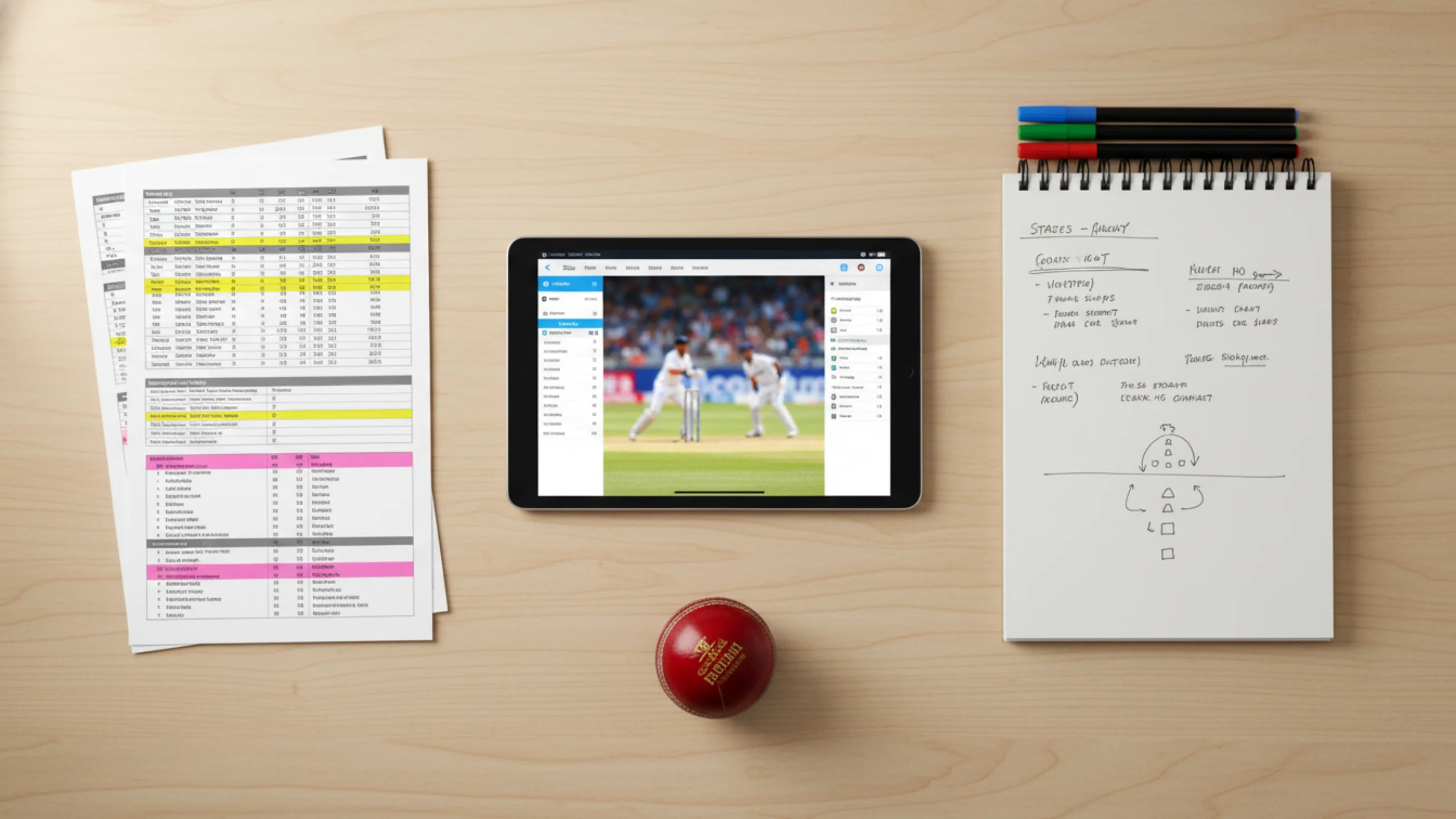
Successful cricket betting starts with thorough pre-match research. This includes studying recent team form, head-to-head records at specific venues, individual player performances, and conditions likely to prevail. Each piece of information helps refine probability estimates that determine whether available odds offer value.
Team news announcements reveal crucial last-minute information. A star batsman carrying a slight injury might play but at reduced effectiveness. A key bowler rested for rotation purposes changes match dynamics significantly. Following reliable cricket journalists on social media ensures you receive team news quickly enough to act before odds adjust.
Historical data provides context that recent form alone cannot capture. Some teams consistently perform better chasing than setting targets. Certain players average significantly higher at particular venues. Others struggle against specific opposition regardless of broader form. Building mental databases of these patterns improves prediction accuracy over time.
Value Betting Fundamentals
Value betting means wagering only when your estimated probability exceeds implied odds probability. If you believe India has a 60% chance of winning but odds imply only 50%, you have found value regardless of what actually happens. Individual bets lose frequently, but positive expected value compounds into profits across large sample sizes.
Estimating probabilities accurately requires honest self-assessment and constant refinement. Overconfident probability estimates destroy value betting strategies because you see value where none exists. Keeping records of your predictions versus actual outcomes helps calibrate estimates and identify systematic biases.
Discipline matters enormously because value opportunities do not appear constantly. Sometimes matches present no clear value and the correct action is no bet at all. Forcing action on marginal situations erodes the edge you build on stronger opportunities.
Specialisation Strategy
Covering all cricket comprehensively is effectively impossible. Formats differ, leagues have unique characteristics, and keeping up with player news across dozens of competitions demands unrealistic time investment. Specialisation allows you to develop genuine expertise that exceeds bookmaker knowledge in narrow areas.
Choosing your specialisation depends on personal interest and practical considerations. If you follow the IPL obsessively anyway, focus your betting there rather than spreading attention across unfamiliar leagues. Deep knowledge of specific competitions reveals patterns and value that surface-level familiarity cannot match.
Avoiding Common Mistakes
Emotional betting destroys more bankrolls than poor analysis ever could. Placing bets to support favourite teams, chasing losses with larger stakes, or increasing bets after winning streaks all represent emotional decisions that undermine long-term profitability. Treating betting as analytical exercise rather than emotional entertainment improves results dramatically.
Chasing losses tempts every bettor eventually. A bad day creates urges to win everything back immediately, leading to larger and often poorly considered bets. Accepting that losses happen and maintaining consistent stake sizes protects your bankroll from catastrophic damage during inevitable downturns.
Overconfidence following winning streaks is equally dangerous. Successful periods can result from genuine skill but also from simple variance going your way. Increasing stakes dramatically after wins exposes you to larger losses when variance reverses. Gradual stake increases tied to bankroll growth produce better long-term outcomes than reactive adjustments.
Bankroll Management for Cricket Bettors
Bankroll management sounds boring compared to analysing matches and finding value, but it determines whether you remain a bettor or become a cautionary tale. Proper money management protects you during losing streaks, maximises growth during winning periods, and ensures betting remains enjoyable rather than stressful.
Setting Your Betting Bankroll
Your bankroll should consist only of money you can genuinely afford to lose without affecting your lifestyle. This means discretionary funds after bills, savings, and responsibilities are covered. Using rent money or borrowed funds for betting creates pressure that distorts decision-making and leads to desperate choices.
Determining appropriate bankroll size depends on betting frequency and stake sizes. If you plan to bet regularly, you need enough capital to absorb losing streaks without exhausting your funds. A common guideline suggests maintaining fifty to one hundred times your typical stake as minimum bankroll, though more conservative approaches use even larger multiples.
Keeping betting funds separate from daily expenses helps maintain discipline. Whether through a dedicated sportsbook account or a separate bank account, the physical separation creates psychological barriers against dipping into funds inappropriately. Seeing your betting bankroll as distinct from other money reinforces disciplined decision-making.
Unit Betting Systems
Unit betting standardises stake sizes relative to your bankroll. A unit typically represents one to five percent of your total betting funds, with most experienced bettors recommending the lower end of that range. If your bankroll is £1,000, a one percent unit equals £10 per bet.
Flat staking means betting the same unit amount on every wager regardless of confidence. This simple approach prevents overexposure to any single outcome and protects against the common mistake of sizing bets based on emotional certainty rather than actual value. Many profitable bettors use flat staking exclusively despite its apparent simplicity.
Variable staking adjusts bet sizes based on perceived edge. Higher confidence situations receive more units while marginal opportunities receive fewer. This approach theoretically optimises growth but requires accurate confidence assessment that many bettors lack. If you overestimate edges consistently, variable staking amplifies losses rather than gains.
Tracking and Analysis
Recording every bet creates accountability and enables performance analysis. Key information includes date, match, market, odds, stake, and outcome. Over time, this data reveals whether you actually bet profitably or merely remember wins while forgetting losses.
Regular reviews identify strengths to exploit and weaknesses to address. Perhaps you perform well on certain markets but poorly on others. Maybe specific leagues produce consistent profits while different competitions drain funds. These patterns only emerge from systematic tracking rather than vague recollection.
Honesty in tracking matters more than the tracking itself. Recording only winning bets or excluding embarrassing losses defeats the entire purpose. Your records exist to improve future decisions, which requires accurate historical data regardless of how uncomfortable past mistakes appear.
Responsible Gambling Principles
Betting should enhance cricket enjoyment rather than cause stress or financial harm. Setting loss limits before sessions begin prevents chasing behaviour that escalates from bad decisions to catastrophic ones. If you reach your loss limit, stop betting regardless of how certain the next opportunity seems.
Time limits complement financial limits by preventing betting from consuming disproportionate attention. Spending entire days researching and betting while neglecting other responsibilities signals problems worth addressing. Healthy betting fits within balanced lives rather than dominating them.
Self-exclusion tools exist at all reputable sportsbooks for those who recognise their betting has become problematic. Using these tools demonstrates strength rather than weakness, and temporary breaks often restore healthy perspectives. If betting ever feels compulsive rather than chosen, seeking support from gambling helplines provides confidential assistance.
Major Cricket Tournaments Worth Your Attention
Cricket's calendar offers year-round action across multiple formats and competitions. Understanding which tournaments attract the most betting interest helps focus research efforts where liquidity and market efficiency create the best opportunities.

Indian Premier League
The IPL has become cricket's most commercially successful competition and attracts enormous betting volumes. Held annually from March to May, the tournament features eight franchise teams competing in T20 format. The world's best players participate alongside emerging Indian talent, creating fascinating matchups throughout the two-month season.
IPL betting markets are exceptionally deep, covering everything from match winners to individual player performances. The league's popularity means bookmakers price markets carefully, but the sheer volume of matches creates consistent opportunities. Specialising in IPL betting rewards those willing to track team form, player rotation, and venue patterns across the lengthy season.
ICC World Cups
Cricket World Cups represent the sport's pinnacle events, occurring on four-year cycles for both ODI and T20 formats. National pride drives massive viewership and betting interest, with markets opening months before tournaments begin. Outright winner betting lets you stake early at longer odds before favourites become apparent.
Tournament betting differs from bilateral series because fatigue, injuries, and form fluctuations accumulate across multiple matches against varied opposition. Teams that peak too early sometimes struggle in knockout stages while slow starters find rhythm at crucial moments. Understanding tournament dynamics improves predictions beyond simple team strength assessments.
The Ashes
The Ashes series between England and Australia represents cricket's oldest and most storied rivalry. Contested biennially, the five-Test series alternates between countries and generates intense betting interest. Historical patterns show home advantage proving particularly significant in Ashes cricket, with touring teams frequently struggling.
Ashes betting rewards understanding of conditions at specific venues. Australian pitches at Perth and Brisbane differ dramatically from English surfaces at Edgbaston and Lords. Player records at particular grounds reveal matchup advantages that series-level analysis might miss.
Domestic T20 Leagues
Beyond the IPL, numerous domestic T20 leagues offer year-round betting opportunities. Australia's Big Bash runs through Southern Hemisphere summer. The Caribbean Premier League and Pakistan Super League provide mid-year action. England's Hundred and T20 Blast cover English summers. Each league has distinctive characteristics worth understanding.
These leagues often feature less efficient betting markets than international cricket because bookmakers allocate less analytical resources to smaller competitions. Bettors who follow specific leagues closely can develop edges that more generalist approaches cannot match.
Conclusion
Cricket betting rewards those who approach it seriously, combining genuine passion for the sport with disciplined analytical thinking. The markets are complex enough to punish casual punters but accessible enough to reward those willing to invest time in understanding how the game actually works. Nothing in this guide guarantees profits, but the knowledge here provides foundations that separate informed bettors from hopeful gamblers.
The variety of cricket formats means there is always something to bet on and always new challenges to master. Whether you gravitate towards the strategic depth of Test cricket, the balanced contests of ODI matches, or the explosive unpredictability of T20 competitions, opportunities exist for those who understand what they are watching. Specialisation in specific formats or leagues often produces better results than spreading attention too thinly.
Remember that sustainable cricket betting requires patience, discipline, and honest self-assessment. Bankroll management protects you during inevitable losing periods while allowing growth when your analysis proves accurate. Chasing losses destroys bankrolls faster than poor picks ever could, so maintaining emotional discipline matters as much as analytical skill.
The external factors we discussed, from pitch conditions to weather patterns to toss significance, provide edges that many casual bettors ignore entirely. Incorporating this information into your analysis will not guarantee wins but does tilt probabilities in your favour over time. Small edges compound into meaningful advantages across hundreds of bets.
Start with markets you understand, bet stakes you can afford, track your results honestly, and adjust your approach based on evidence rather than emotion. Cricket betting at its best combines the thrill of sport with the satisfaction of reasoned analysis. Approach it properly and you might find it becomes one of the more rewarding ways to engage with this magnificent game.
Frequently Asked Questions
How do cricket betting odds work?
Cricket betting odds represent the potential return on your stake and reflect implied probability of outcomes. Decimal odds of 2.50 mean you receive £2.50 for every £1 staked, including your original stake, implying roughly 40% winning probability. Fractional odds of 3/1 mean you profit £3 for every £1 risked. American odds of +200 indicate £200 profit on a £100 stake. Understanding all three formats helps compare odds across bookmakers using different systems and identify where genuine value exists in available markets.
What is the easiest cricket bet to win?
Match winner bets on heavy favourites offer the highest probability of winning but provide minimal returns that rarely justify the risk. Statistically, backing strong home teams in familiar conditions produces the most consistent results over time. However, easy wins and profitable betting are different concepts entirely. True profitability comes from finding value rather than picking likely winners at poor odds. A team with 70% chance of winning priced at odds implying only 60% probability offers value, while a 90% favourite priced at 85% implied probability does not. Focus on value rather than ease.
How does weather impact cricket betting?
Weather affects cricket matches more significantly than most sports. Rain interruptions in limited overs cricket trigger the Duckworth-Lewis-Stern method, which sometimes produces unfair targets that decisively favour one team. Humidity helps the ball swing through the air, giving skilled swing bowlers significant advantages that flat conditions would deny. Overcast skies generally assist bowling while bright sunshine favours batting. Dew accumulation during evening sessions in day-night matches makes the ball slippery and difficult for bowlers to grip. Checking weather forecasts before betting and monitoring conditions during live wagering provides genuine informational edges over bettors who ignore environmental factors entirely.
